
Key takeaways
- Establishing well-defined objectives for your creative strategy to guide your efforts and ensure they are focused and purposeful.
- Gaining in-depth knowledge of your target audience and market trends to develop a strategy that resonates with your consumers.
- Enhancing the visual appeal of your marketing materials to stand out across different platforms and attract more attention.
The first idea that comes to mind when thinking of Creative Strategies in Marketing is a blueprint or framework that guides the development and execution of creative elements in marketing campaigns. It helps craft compelling messages that resonate with the target audience, differentiate the brand from competitors, and ultimately drive desired actions.
A creative strategy encompasses various elements, including understanding the target audience, identifying the unique value proposition of the brand, and telling a compelling brand story. By strategically integrating these elements, businesses can create impactful marketing campaigns that engage consumers and build brand loyalty.
What is Creative Strategy?
At its core, a creative strategy is a plan of action that guides the development and execution of creative elements in marketing campaigns. It involves finding innovative ways to communicate the brand's message, connect with the target audience, and achieve marketing objectives.
A successful creative strategy is built on a well-defined creative strategy statement that outlines the vision and campaign goals. This statement serves as a foundation for the creative team and marketing team, ensuring everyone is aligned and focused on delivering impactful results. The strategy incorporates vibrant visuals, compelling messaging, and engaging storytelling to resonate with the audience and convey the brand's values.
Creative strategies are not limited to just visual elements or design. They encompass a broader spectrum of factors, including messaging, storytelling, positioning, and overall brand experience. Successful creative strategies are built on thorough research, a deep understanding of the target audience, and a clear understanding of the brand's unique value proposition.
Key Components of a Successful Creative Strategy
1. Creative Strategy Statement: This foundational document outlines the vision, goals, and key elements of the strategy, guiding the creative team in their efforts.
2. In-Depth Knowledge and Research: A deep understanding of market trends, customer journey, and ideal audience behaviors is crucial for developing effective marketing initiatives.
3. Messaging and Storytelling: Crafting a narrative that aligns with the brand values and resonates with the audience is essential for a successful creative strategy. This includes content marketing for social media posts, blog posts, and video creatives.
4. Positioning and Value Proposition: Clearly defining the brand's unique value proposition helps differentiate it from competitors and drives sales conversions.
5. Vibrant Visuals and Design: Utilizing engaging and vibrant visuals ensures the brand stands out and captures the audience's attention across different platforms.
6. Resource Allocation and Actionable Tasks: Effective resource allocation and identifying actionable tasks ensure that the creative strategy is executed efficiently and aligns with strategic progress.
7. Monitoring and Evaluation: Continuously measuring the success of marketing initiatives through metrics like sales conversion and audience engagement helps in refining the strategy and ensuring it meets the overall objectives.
A creative strategy not only enhances the brand's visibility but also ensures that marketing efforts are aligned with the company's overall objectives. This comprehensive approach leads to more cohesive and effective campaigns, ultimately resulting in a stronger connection with the target audience and increased sales conversions.
Why is it important to have a creative marketing strategy?
A creative strategy helps businesses stand out in a crowded marketplace. With so many brands and advertisements vying for consumers' attention, it's crucial to have a strategy that sets your brand apart and captures the interest of your target audience. By leveraging creative elements such as engaging messaging, compelling storytelling, and unique positioning, a creative strategy helps your brand make a memorable impact.
Secondly, this allows businesses to connect emotionally with their target audience. Consumers are increasingly looking for brands that align with their values and beliefs. By incorporating creative elements that evoke emotions and resonate with your ideal audience, you can establish a deeper connection that goes beyond mere product features or benefits. This emotional connection helps build brand loyalty, fosters long-term relationships with customers, and drives customer advocacy.
Moreover, a well-executed creative strategy helps businesses effectively communicate their brand's unique value proposition. It highlights what makes your brand different from competitors and why consumers should choose your products or services. Through creative elements such as visual design, messaging, and positioning, a creative strategy conveys the essence of your brand and reinforces its value to consumers.
Key Benefits of a Creative Marketing Strategy
1. Enhanced Brand Message: A creative strategy ensures that your brand message is clear and compelling, helping to establish a strong brand identity.
2. Invaluable Insights: Creative strategy often involves in-depth market research, providing invaluable insights into consumer behavior and market trends.
3. Meaningful Connections: By tapping into the emotional aspects of consumer behavior, you create meaningful connections that can drive customer loyalty and advocacy.
4. Measuring Success: Creative strategy comes with built-in metrics for evaluating performance, making it easier to measure progress and adjust tactics as needed.
5. Visual Appeal: The visual appeal of your marketing materials is enhanced, making your brand stand out across different platforms and attracting more attention from your target audience.
6. Value Proposition: A well-defined value proposition that clearly communicates why your product or service is the best choice helps in driving sales conversions and achieving overall objectives.
7. Sales Conversions: Creative strategy is designed to lead to actionable outcomes, such as increased sales conversions, by clearly communicating your value proposition and making a memorable impact on consumers.
8. Creating Deliverables: A creative strategy can ensure that all the tools and deliverables needed for a campaign are aligned with your brand’s promise and market trends.
Integrating these key elements, a marketing strategy not only enhances your brand’s visibility but also ensures that your marketing efforts are aligned with your overall business objectives. This approach leads to a more cohesive and effective marketing campaign that resonates with your target audience and drives tangible results.
How to build an effective creative strategy
To build an effective creative strategy, you need to follow a structured approach. Here are some key steps to consider:
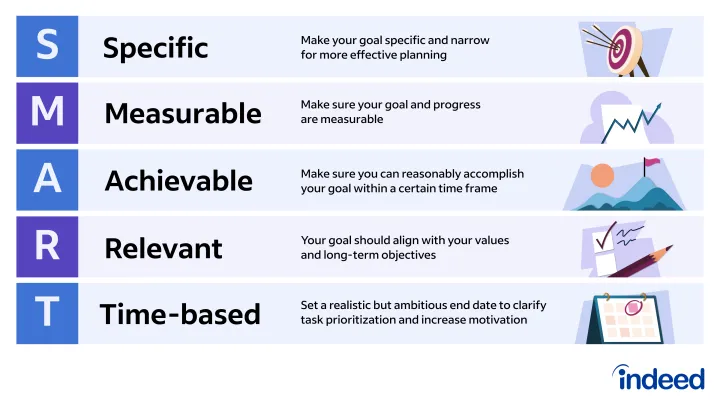
Define your goals
Start by clearly defining the objectives of your creative strategy and business goals. What are you aiming to achieve? Do you want to increase brand awareness, drive sales, or establish your brand as an industry leader? You can align your creative efforts and ensure they are focused and purposeful.
Conduct thorough research
Before creating a creative strategy, it's essential to conduct thorough research. This includes understanding your target audience, their needs, preferences, and pain points. It also involves analyzing your competitors to identify gaps and opportunities in the market. The more insights you gather, the better equipped you'll be to develop a strategy that resonates with your audience.
Craft your brand story
A compelling brand story is at the heart of any creative strategy. Your story should encapsulate your brand's values, mission, and unique selling proposition. It should be authentic, relatable, and resonate with your target audience. Use creative elements such as storytelling, visuals, and messaging to bring your brand story to life and engage your audience emotionally.
Identify Your Audience
Understanding your target audience is crucial for developing a creative strategy that resonates with them. Identify their demographics, interests, behaviors, and pain points. This information will help you create messaging and visuals that are tailored to their needs and preferences. Keep in mind that your target audience may differ for different products or campaigns, so be sure to align your strategy accordingly.
Set a clear brand positioning
Your brand positioning defines how you want your brand to be perceived in the market. It sets you apart from competitors and highlights the unique value you offer. Consider your brand's strengths and key differentiators and craft a clear and compelling positioning statement. This statement will serve as a guide for your creative strategy, ensuring that all messaging and visuals align with your desired brand image.
Create a timeline
Planning your creative strategy requires a well-organized approach to content creation and distribution. Develop a content calendar that outlines the topics, formats, and channels that you will use to deliver your messaging. This calendar ensures that your content is consistently released and aligns with your overall marketing goals. It also helps you stay organized and ensures that you have a consistent flow of creative assets ready to be deployed.
5 questions to ask when building your creative strategy
- How can I differentiate myself from competitors? Understand your competitors and the market landscape. Identify what sets your brand apart and how you can leverage those unique aspects to differentiate yourself. This will help you develop creative ideas and messaging that stand out from the crowd.
- What channels and mediums should I utilize? Consider the various channels and mediums that are available to connect with your target audience. This could include social media platforms, email marketing, website content, print materials, or even events and activations. Choose the channels and mediums that will best reach your audience and align with your overall strategy.
- How can I optimize my creative assets? Once you have identified your messaging and chosen the appropriate channels, think about how you can optimize your creative assets. This could involve creating compelling visuals, engaging copy, or interactive elements that capture the attention of your audience. Remember to align these assets with your brand identity and ensure consistency across all platforms.
- What is my budget and timeline? Consider your budget and timeline when developing your creative strategy. This will help you determine the scope of your projects and allocate resources accordingly. Having a clear understanding of your financial constraints and desired timeline will help you prioritize tasks and make effective decisions throughout the creative process.
- How will I measure the success of my strategy? Set key performance indicators (KPIs) to measure the success of your creative strategy. This could include metrics such as website traffic, social media engagement, conversion rates, or brand sentiment. Regularly monitor and analyze
Analysis And Evaluation
Analysis and evaluation play a vital role in shaping and refining your creative strategy. After implementing your creative assets and executing your marketing campaigns, it is essential to assess their performance to determine if your strategy is meeting its objectives. This process will enable you to identify areas of success, as well as areas that may require adjustment or improvement.
There are several key aspects to consider when analyzing and evaluating your creative strategy. Firstly, track and measure the key performance indicators (KPIs) that you established earlier. These can include metrics such as website traffic, social media engagement, conversion rates, or brand sentiment. By monitoring these metrics, you can gain insights into the effectiveness of your strategy and identify any areas for improvement.
- Evaluate Performance Against Objectives: Begin by comparing the actual outcomes of your marketing initiatives against the overall objectives set in your creative strategy. This involves assessing whether the creative efforts have led to increased sales conversions, enhanced brand values, and deeper connections with the target audience.
- Measure Progress: Regularly measure progress using KPIs to ensure that the strategic progress is on track. Key metrics such as customer loyalty, social media engagement, and conversion rates provide invaluable insights into the effectiveness of your creative campaigns.
- Allocate Resources Effectively: Resource allocation is critical in ensuring that your marketing efforts are efficient and impactful. Analyze which creative assets and marketing channels are delivering the best results and adjust your resource allocation accordingly.
- Adjust and Improve: Use the insights gained from your analysis to make informed decisions about future marketing campaigns. This might involve tweaking your creative strategy statement, refining your messaging and visuals, or exploring new marketing platforms to reach your audience more effectively.
- Actionable Tasks and Continuous Improvement: Identify actionable tasks that can be implemented to improve performance. This could include optimizing social media posts, creating high-quality blog posts, or enhancing the visual appeal of your video creatives. Continuous evaluation and adjustment ensure that your strategy remains relevant in today’s competitive business landscape.
Conclusion
In conclusion, a successful creative strategy requires diligent tracking, measurement, and evaluation. By regularly monitoring key performance indicators, you can measure the impact of your creative efforts and make informed decisions about your marketing campaigns. The insights gained from analyzing and evaluating your creative strategy should inform your future marketing decisions. Use the data and feedback collected to make informed decisions about your messaging, visuals, and overall approach. This might involve refining your creative strategy statement, adjusting your targeting or segmentation, or exploring new marketing platforms to reach your audience more
How Flashfeed can help
- AI Ad Creative Generator: Generate ad creatives in a few clicks
- On-Demand Inspiration: You can import and browse winning ad creatives
- Easy Controls: No creative expertise needed to create amazing ads
